
Conversation with Molly Fuller about Transformation and Self-Compassion
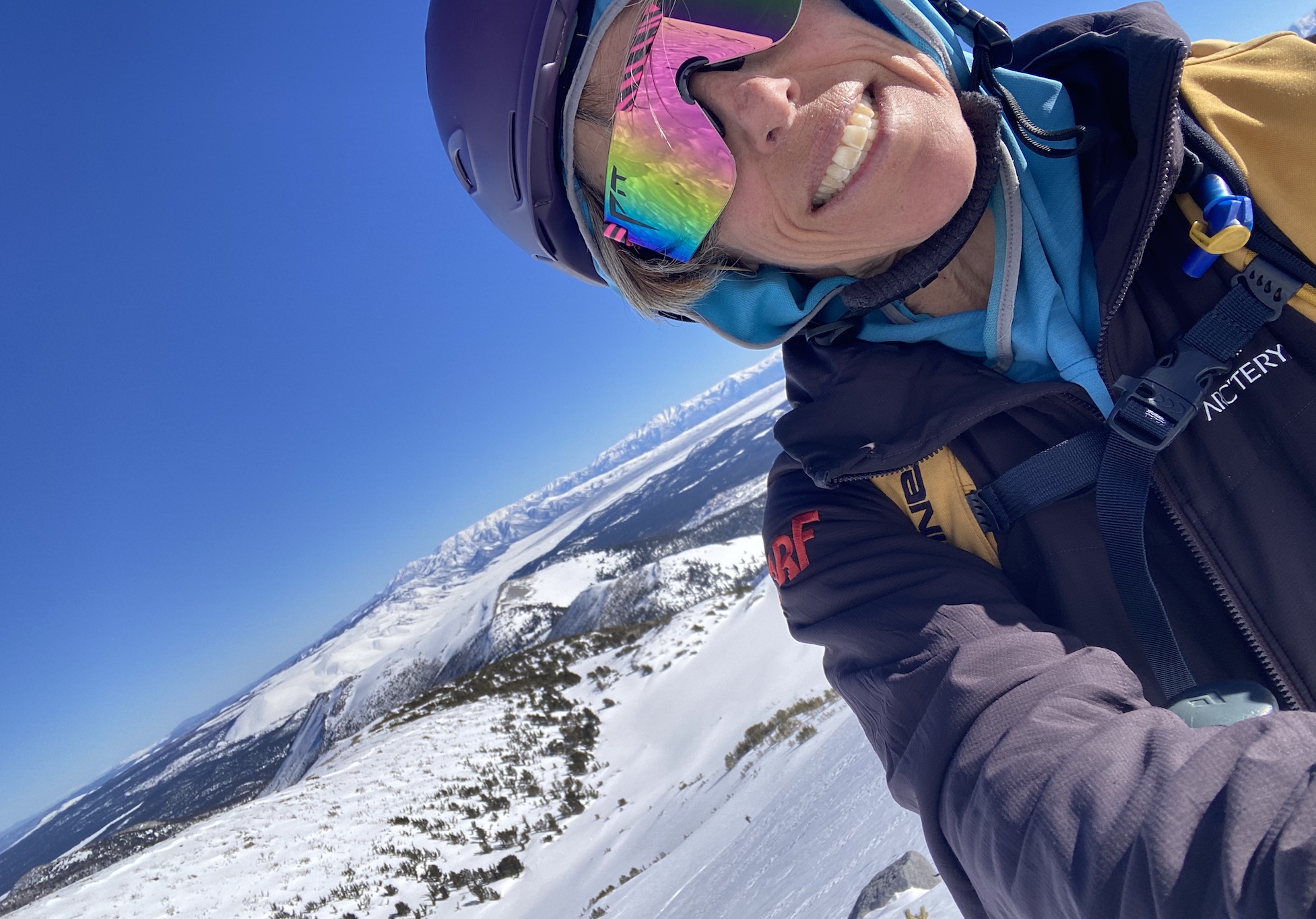
Join us at my virtual table for an honest conversation with Molly Fuller about burnout, transformation, self-compassion, and what it actually takes to feel good in midlife.
January always makes people talk about change. New habits. New goals. New versions of ourselves. But the kind of transformation that actually sticks? It usually doesn’t start on January 1. Joining me at the virtual table today is Molly Fuller- a friend, a client, and a true inspiration.
Molly is a lifelong comrade. We weren’t daily friends at school but our families traveled together and we came together for a wide variety of adventures from French cooking classes with a bunch of adults to crazy tubing sessions on our local lake. We lost touch after college but reconnected just as I was starting my consulting business in Chicago and she was launching her culinary team building business in San Francisco. Molly became one of my first clients.

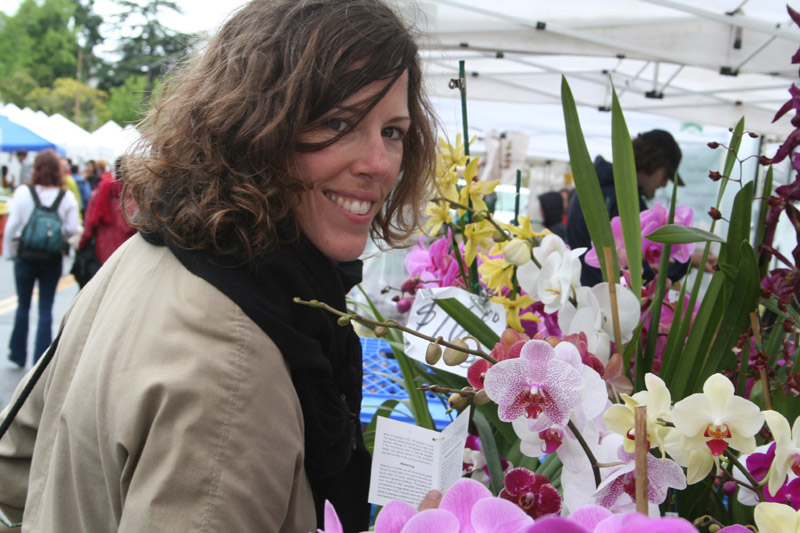
Photo from left: Me, Molly Fuller, and my brother Andy on a family vacation.
The constant in our relationship is laughter. We’ve leaned on each other through family challenges and business hardships but always find our way back to levity. We have a rare friendship that doesn’t require regular nurturing but grows nevertheless.
For Molly, big life change was triggered by a knee injury, which led to a knee replacement in her 40s. With burnout from work, grief, and pain, she had a growing awareness that her old coping mechanisms weren’t sustainable anymore. What followed wasn’t a neat wellness checklist, but a deeply human reckoning with shame, self-compassion, and learning how to live in her body instead of fighting it.
This conversation unfolded organically, the way the best ones do — weaving between business, family, spirituality, pain, and the quiet practices that now anchor her days. What follows is an edited version of that conversation, shaped for clarity but faithful to the truth of it.
January gets people thinking about change, but I don’t think most real transformation starts because we decide it should. For me, it was my brother dying — that cracked everything open. Was there a moment for you? A catalyst that forced you into change?
Yes — absolutely. For me, the tipping point was a knee injury. Facing a joint replacement in my forties will really wake you up. But it didn’t come out of nowhere. It was more like the final straw.
I had dealt with anxiety and disordered eating going all the way back to high school. At the time, no one ever said anything to me directly. People noticed — but they didn’t intervene. And I carried a lot of shame around that for years, wondering what was wrong with me.
What I didn’t realize until much later was how little self-compassion I had — and how much self-loathing was actually running the show.
The injury forced me to stop outrunning everything. Literally.
When you look back now, what do you think you were actually chasing for all those years?
For a long time, I thought I was chasing excellence — discipline, grit, mental toughness. I built my entire identity around being able to do hard things.
But with some distance, I can see I was really chasing relief. Relief from anxiety. Relief from the feeling that I wasn’t enough. Movement, work, achievement — those were the tools I used to outrun that feeling.
I didn’t know how to slow down. I only knew how to push.
You’ve always been an athlete. Ultra‑distance races, CrossFit Games, big mountains. From the outside, it looks like strength.
It was strength — but it was also avoidance. I didn’t understand that at the time.
I’ve run ultramarathons, climbed and skied Rainier and Shasta, competed at a very high level. I was incredibly capable physically. What I didn’t understand was nutrition, recovery, or compassion for myself. I treated my body like a machine that should just keep producing.
When things hurt, I pushed harder. When anxiety showed up, I ignored it. That strategy works — until it doesn’t.
You’ve talked about how little self‑compassion you had.
Almost none. I didn’t even understand the concept.
In 2022, I read The Mindful Path to Self‑Compassion by Christopher Germer, and it was like someone turned the lights on in a room I’d been avoiding my entire life. I realized the voice running my life wasn’t motivation — it was cruelty.
The antidote to self‑loathing is self‑compassion. That sounds simple, but it’s not easy.
Around that time, you also made a huge life change.
I did. I was burned out from the company I founded in 2004. Work had become all‑consuming. When the mountains started calling, I listened.
In 2019, I moved from San Francisco to Tahoma, on the shores of West Lake Tahoe. That move changed everything. Nature has a way of telling the truth. You can’t hide from yourself when you’re quiet enough to hear your own thoughts.

How did that quiet show up for you?
At first, it was uncomfortable. Stillness always is when you’re used to noise.
But mindfulness and meditation helped me see patterns in real time. I realized I make terrible decisions when I’m rooted in fear, anxiety, scarcity, and not‑enoughness. I contort myself to keep the peace. I stop trusting myself.
Once you see that, you can’t unsee it.
Did that awareness change how you show up in work, too?
Absolutely. Business was one of the places I abandoned myself the most.
I’d override my intuition to make things easier for others. I’d say yes when my body was screaming no. Healing taught me boundaries — not as walls, but as self‑respect.
The same skills that help you listen to your body help you make better professional decisions.
Food became part of that listening.
Yes. Fuel matters — physically and emotionally.
Choosing to nourish myself instead of punish myself was radical. Cooking became an act of care instead of control. I’m sharing a recipe separately, but it represents a bigger shift: food as support, not a reward or a restriction.
You’ve mentioned the “80 percent rule.”
That’s been huge.
For years, everything was all‑or‑nothing. Perfect or failure. That mindset kept me perpetually behind.
Now, part of my self‑care practice is giving myself the grace to do the compassionate thing about 80 percent of the time. That’s sustainable. That’s human. And it changed my life.
January puts so much pressure on people to reinvent themselves. What would you recommend for others?
Awareness. Gentleness. Curiosity.
You don’t have to blow up your life. You just have to notice it. That’s where real change begins. This work — healing, self‑trust, compassion — it’s the hardest work I’ve ever done. And it’s yielded the best returns.
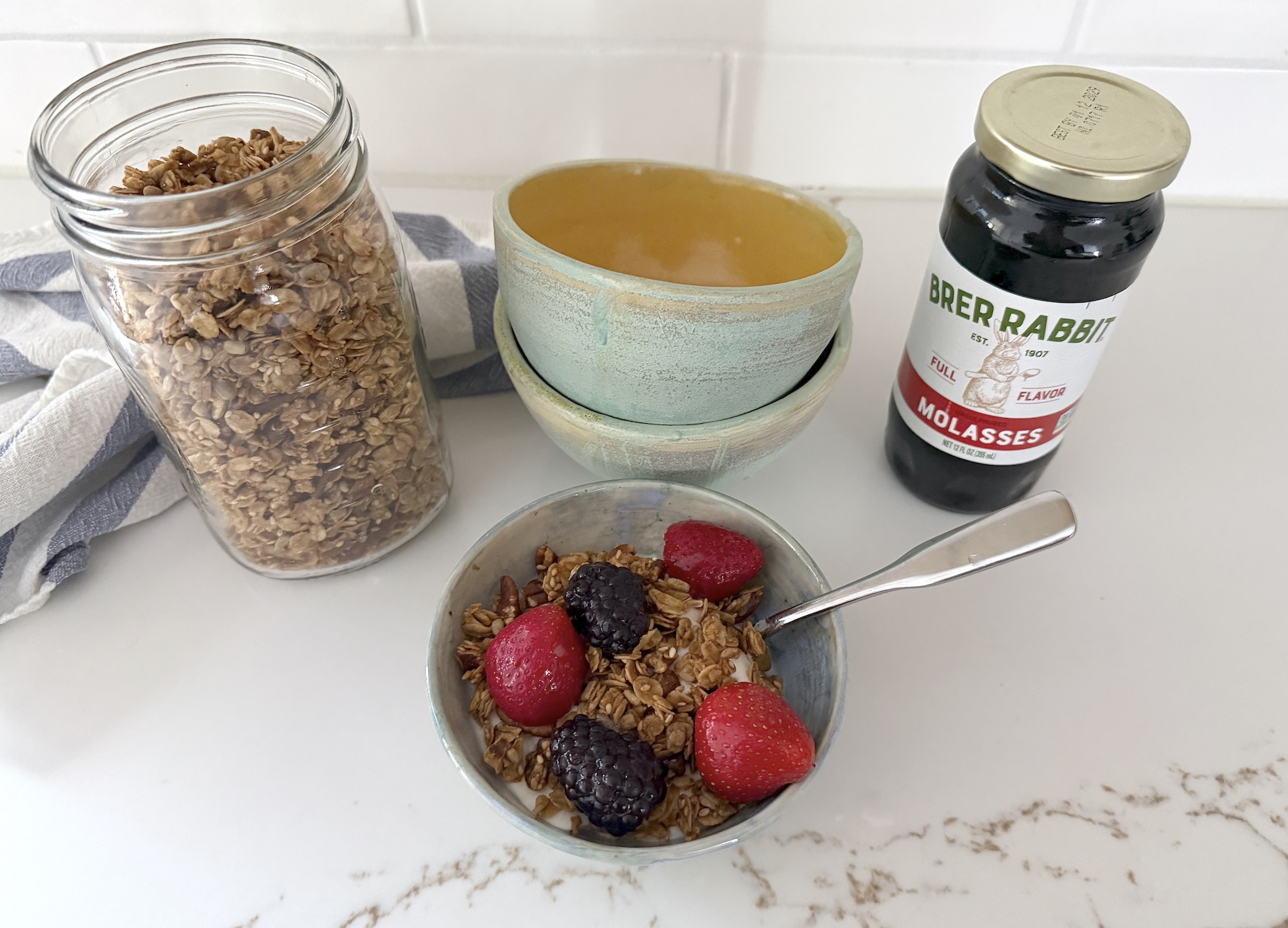
Molly shared one of her favorite recipes with me, Molasses Tahnini Granola, which can be found here.
Molly has been a wonderful person and dear friend for many years. Love the article. Thanks for sharing
Thank you for reading, Dana! We are lucky to call her a friend.